
Coffee Beans Basics: And How to Select the Right Beans to make Coffee at home and better.
A lot of individuals feel that superior coffee is produced by superior equipment. Therefore, they purchase expensive espresso machines, fancy coffee makers, or fancy drip brewers, and are not satisfied. This is because the machine will only be able to extract what the beans have. Unless the beans are fresh, do not appeal to your taste, or not kept in the right way, your coffee will never taste good. The most important and effective upgrade of a home brewer is to understand coffee beans as they determine the aroma, sweetness, bitterness, and the entire satisfaction.
The initial point that needs to be made is that coffee beans are not a single kind. Arabica and Robusta are the most widespread ones. Arabica has a reputation of being smooth, having a better smell, and richer flavors. Robusta is more bitter and contains more caffeine. A good number of the commercial strong coffees are robusta-heavy blends, hence their feeling rough but as well as intense. Novices must not make decisions by strong. Rather, select according to what flavor you personally prefer most, smooth, balanced, bold, nutty or chocolate-like.
The second significant one is freshness. The aroma is lost by coffee immediately it is roasted. Most individuals purchase coffee which was roasted many months ago yet the packaging appears high quality. The outcome is the lack of flavor and poor smell. A fresher roast smells richer, espresso crema more favorable and extraction is more flavorful in all processes. In case your coffee bag has a roast date, then it is good news. When it has the expiry date but no roast date it is normally an indicator that the coffee is not fresh.
The third one is roast level: light, medium and dark roast. Light roast is also misconstrued. It is considered to be weak as people believe bean to be light in color when it could be strong and tasteful with the flavor of fruits or flowers. Medium roast is in between and it is normally suitable to beginners as it is sweet and smooth. Dark roast is not subtle and smoky but may conceal the quality of the natural bean. The numerous dark roasts have the same flavor due to the domination of the roasting process. Roast degree should not be based on marketing labels but your tastes and preferences in brewing.
The fourth one is the source of coffee. Due to climate, soil and mode of processing, coffee grown in various regions has a different taste. The taste of some of the origins is chocolatey and nutty, some are fruity and citrusy, and some are earthy or even spicy. You do not have to learn the profiles of countries but you must learn that origin is a factor that affects taste. This is a safe profile as a beginner in case you want chocolate, caramel, nuts beans. In case you would like to have exciting tastes, use beans and berries with citrus and flowers. Knowing origin makes you purchase not by chance.
The fifth one is the coffee processing method which includes washed, natural and honey processed. Clean and crisp are the common characteristics of washed coffees. Beans dry with fruit hence natural coffees have a taste of fruits and in some cases wine-like. In the middle between the two is honey processing. Processing style has very strong influence on taste despite the same origin. Novices normally criticize brewing to be having a weird taste, whereas it might be the way it is processed. This knowledge will help you not to be disappointed and buy beans that appeal to you.
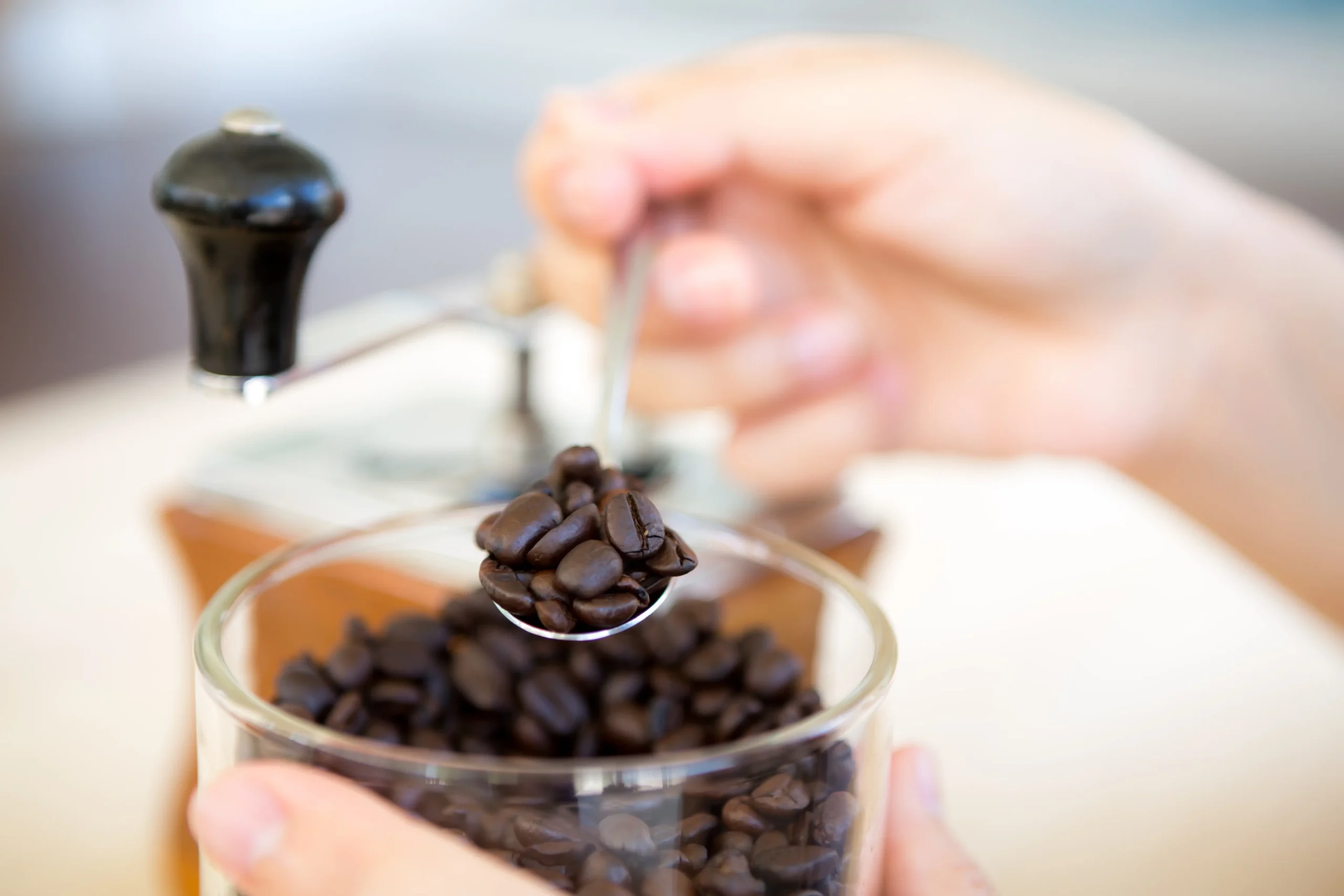
The 6th significant choice is the whole bean or pre-ground. Pre-ground coffee is easy to use, however, it dies away easily since the surface area that is open to air is increased. Whole beans are known to be fresher and provide superior taste when ground prior to brewing. Grinding fresh is one of the largest personal enhancements that you can get if you want to have the flavor of the cafe at home. Although a simple brewing technique such as French press or pour-over is employed, fresh grinding instantly enhances the level of taste and aroma.
The seventh force is compatibility of beans to brew. All beans are not suitable to any brewing technique. Espresso tends to work well with medium to medium-dark roasts since they are sweet and has a body. Espresso may also use light roasts, but these are more difficult to use as a beginner since they require a fine extraction. Light to medium is the most appropriate choice of roast when it comes to pour-over as clarity is essential. The dark full-body style makes French press well able to handle darker roasts. Beans and your brewing technique Beans and your brewing technique match each other to minimize bitterness and enhance comfort.
Lastly, it is easy when you specify what you require: smooth vs bold, sweet vs bitter, classic vs fruity. It is good to start with a plain one, which in this case is typically medium roast Arabica, with the taste of chocolate/nuts. When you have, first, gotten used to that, you can experiment with lighter roasts and new origin. Coffee beans are not an item to buy, but a foundation of your daily routine. You will have a better coffee when you select beans rightly than you will have it any more improved by any improvement of the machine.