
Grind Size Consciousness: The Ultimate Secret to making bad or poor coffee.
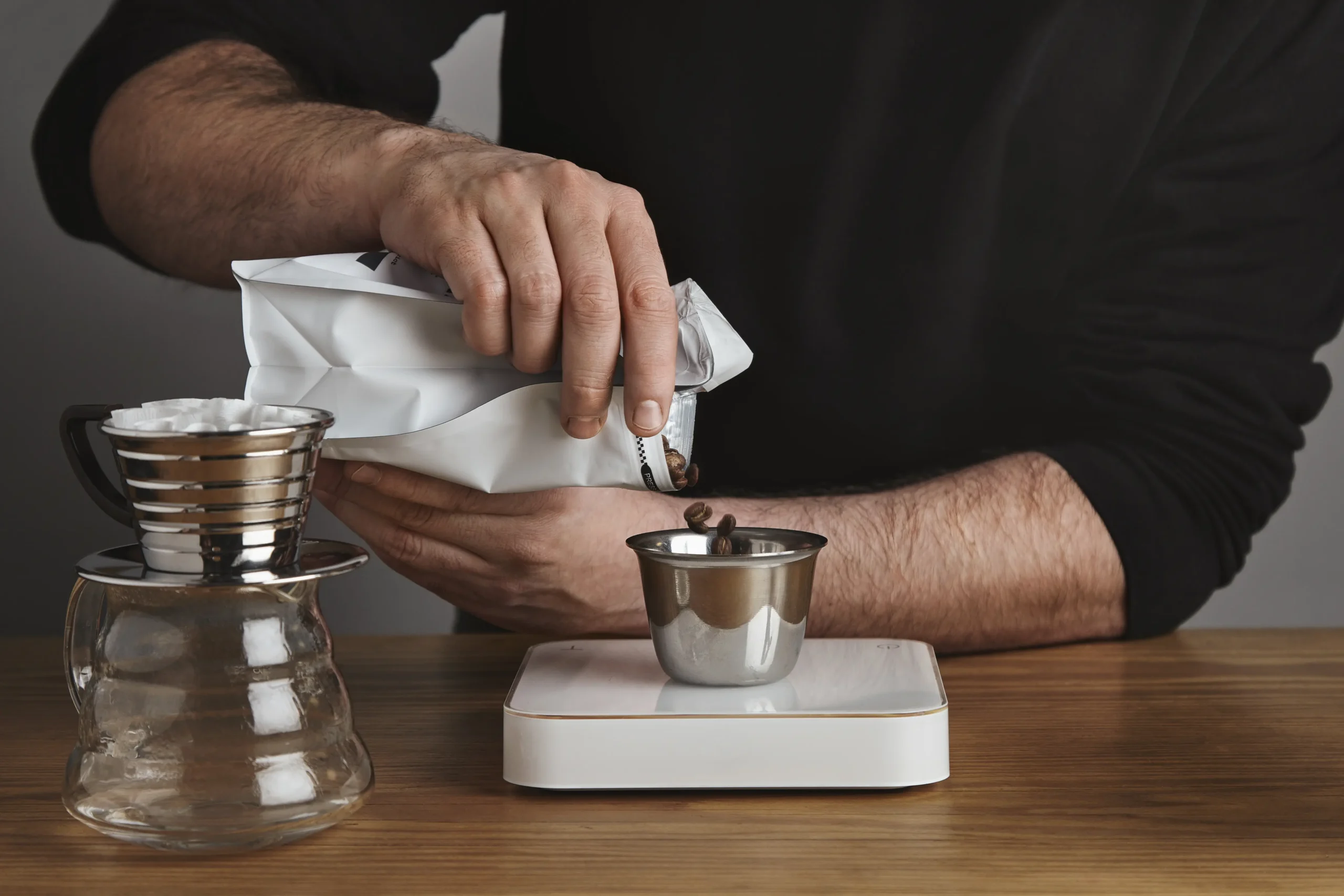
Bad beans and bad equipment are not the reasons behind most of the coffee issues at home. They are brought about by wrong grind size. Novices will tend to follow recipes based on internet but grind them wrong hence ruining the extraction. They ask themselves why their coffee is bitter, sour, weak, watery or harsh. The most influential variable of coffee brewing is the grind size since the speed at which water extracts flavor out of coffee depends solely on the amount of grind size. When grind is perfected, coffee will enhance at once even without the need to upgrade your machine.
The initial one is the concept of extraction. Extraction refers to the extent of the extracted flavor of the coffee grounds to the water. When water removes excessive, coffee will be bitter and dry. Extraction of less water results in sour, thin and weak coffee. The golden mean is the place coffee is smooth, sweet, and pleasant. This can be adjusted by grind size since smaller particle exposes a greater amount of surface area and extracts faster whereas larger particles extract slowly.
The second principle is the ability to distinguish between bitter vs sour. Many beginners confuse them. Bitter is rough, dry and bitter at the end of the tongue. Sour is sharp, acidic and thin, usually as lemon. Bitter normally denotes extraction that is excessive, sour denotes extraction that is too little. When you know how to recognize these two taste signs, you no longer guess at all but make corrections.
The third idea is that each brewing technique should have a unique grind size. The grind of the espresso must be very fine since time and pressure are minimal. Pour is medium grind since water passes in a continuous manner through the filter. French press coffee requires rough grinding since the coffee will remain in water longer. Even in case you mix up the grind of the process, your coffee will go wrong regardless of the quality of your beans. The main principle of consistency is brew method + grind matching.
The fourth one is that grind size is also correlated with the brew time. There is a convenient indicator of brew time. In case your pour is over too fast, then your grind is too coarse; and coffee will be weak or sour. When it is taking too long to finish, your grind is either too fine and your coffee will be bitter or scuttlebutt. On the same note, when the espresso flows too fast, then the grind is too coarse; when the espresso flows too slow and drips, then the grind is too fine. Brew time provides you with easy adjustment of grind.
The fifth one is grind consistency. The size of your grind can be right but uneven extraction will destroy the extraction. Blade grinders produce dissimilar sizes of particles: some fine as powder, others coarse. A burr grinder is also better in enhancing consistency of coffee than most costly machines.
Lastly is the grind size which is the steering wheel of coffee. Beans are the driving force, brewing process is the highway but grinding is the guide. When you have conquered the grind adjustment, you may adjust bitterness, weakness, sourness, and inconsistency with a single tool. To any novice, it is the quickest journey towards home brewing coffee of a quality comparable to what one can find at a cafe.